
EMAIL MARKETING
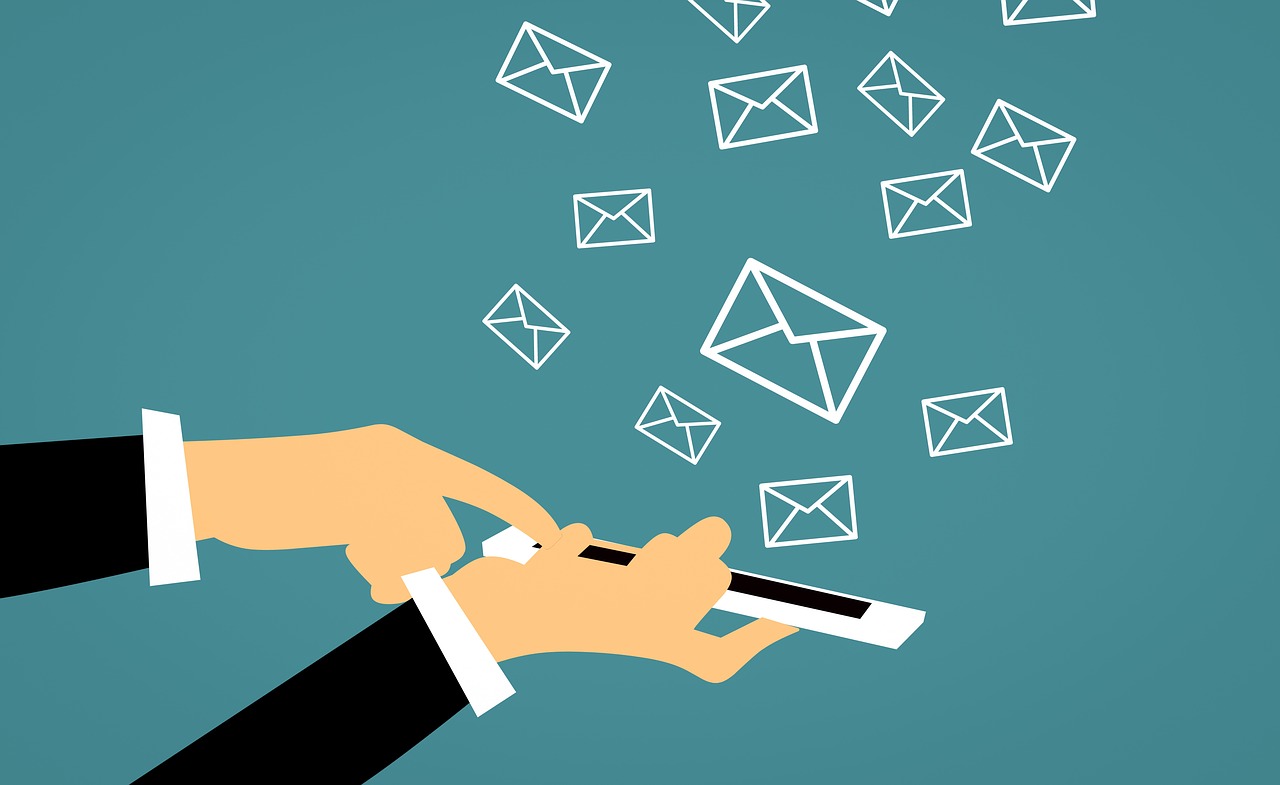
Introduction Of Email Marketing
Email marketing is a digital marketing strategy that involves sending targeted messages to a group of individuals via email. It is a powerful and cost-effective way for businesses to engage with their audience, build customer relationships, promote products or services, and drive conversions. By leveraging personalized and relevant content, email marketing can be used to nurture leads, retain customers, and boost overall marketing efforts. It is a versatile tool that allows businesses to communicate directly with their audience, track performance, and optimize campaigns for better results.
Business Email
A business email refers to an email address that is specifically associated with a business or professional organization. It typically includes the business name or domain name in the email address, such as [name]@example.com. Business emails are used for official communication within an organization, as well as for communicating with clients, customers, and partners. Business emails often convey a sense of professionalism and credibility, and are used for various purposes, such as sending important messages, exchanging information, coordinating tasks, and conducting business transactions. Having a dedicated business email can help establish a professional image, build trust, and enhance communication in a business setting.
Best Practices For Successful Email Marketing Campaigns
Building a Quality Email List:
Focus on growing an opt-in email list of engaged and interested subscribers who have given explicit permission to receive emails from your business. Avoid purchasing or using third-party email lists.Personalization and Segmentation:
Tailor your emails to be relevant and personalized to each recipient. Segment your email list based on factors like demographics, preferences, or behaviors, and send targeted messages to different segments.Compelling Subject Lines:
Use attention-grabbing subject lines that are concise, clear, and relevant to the email content. Avoid using misleading or spammy subject lines.Engaging Content:
Create valuable and engaging content that is tailored to your audience. Use a mix of text, images, and call-to-action buttons to make your emails visually appealing and compelling.Mobile-Friendly Design:
Optimize your emails for mobile devices as a significant portion of email recipients open emails on mobile devices. Ensure that your emails are responsive, easy to read, and navigate on mobile screens.Clear Call-to-Action:
Include a clear and prominent call-to-action (CTA) in your emails, guiding recipients on what action to take. Use action-oriented language and make your CTA stand out.Testing and Optimization:
Continuously test and optimize your email campaigns to improve performance. Experiment with different subject lines, content formats, CTAs, and send times to identify what resonates best with your audience.Compliance with Email Regulations:
Ensure that your email campaigns comply with email marketing regulations, such as CAN-SPAM and GDPR, by including necessary opt-out options, providing clear disclosure, and obtaining proper consent.Email Deliverability:
Monitor and maintain good email deliverability by using reputable email service providers, authenticating your domain, and keeping your email list clean from invalid or inactive email addresses.Analyzing and Measuring Results:
Track and analyze the performance of your email campaigns using metrics like open rates, click-through rates, conversion rates, and ROI. Use these insights to optimize your future email marketing efforts.Email Marketing Tools
Email marketing tools are software or platforms that enable businesses to create,
manage, and optimize their email marketing campaigns. These tools provide features and
functionalities that streamline the process of designing, sending, and tracking email
campaigns. Some common features of email marketing tools include email templates, email
list management, segmentation, personalization, automation, A/B testing, analytics, and
reporting.
Email marketing tools offer businesses the ability to create professional-looking emails
with customizable templates, manage their subscriber lists, segment their audience for
targeted messaging, automate email workflows based on triggers or conditions, conduct
A/B testing to optimize email content, track and analyze campaign performance metrics,
and comply with email marketing regulations.
These tools can help businesses save time,
improve email deliverability, increase engagement, and drive better results from their
email marketing efforts. Popular email marketing tools include Mailchimp, Constant
Contact, GetResponse, Campaign Monitor, and Sendinblue, among others.
Email Optimization
Email optimization refers to the process of improving the effectiveness and efficiency
of email marketing campaigns. It involves various strategies and techniques to optimize
different aspects of email campaigns, including the subject line, content, design,
timing, segmentation, personalization, and calls-to-action (CTAs), among others.
Some common practices for email optimization include:
A/B Testing:
Testing different variations of email elements, such as subject lines, content, CTAs, or designs, to determine which performs better and optimizing based on results.Segmentation:
Segregating the email list into smaller segments based on factors like demographics, behaviors, preferences, or engagement levels, and tailoring content accordingly to increase relevancy and engagement.Personalization:
Personalizing emails with recipient's name, location, or other relevant data to create a more personalized and engaging experience.Mobile Optimization:
Designing emails to be mobile-friendly and ensuring they are easily readable and accessible on mobile devices, which are commonly used for checking emails.Timing and Frequency:
Testing different send times and frequencies to determine the optimal timing for sending emails to maximize open rates and engagement.Email Design:
Creating visually appealing and professional-looking emails with clean layouts, clear CTAs, and optimized images to enhance the visual appeal and user experience.Email Deliverability:
Ensuring emails are delivered to the recipients' inbox and not marked as spam by adhering to best practices for email deliverability, such as using double opt-in, maintaining a clean email list, and following email regulations.Data Analysis:
Regularly analyzing email campaign performance metrics, such as open rates, click-through rates (CTRs), conversion rates, and engagement metrics, to identify areas of improvement and optimize future campaigns. Email optimization helps businesses to improve the performance of their email campaigns, increase open and click-through rates, boost engagement, and drive better results from their email marketing efforts.Common Challenges In Email Marketing And How To Overcome Them
Low Open Rates:
One of the common challenges in email marketing is low open rates, where recipients do not open or read the emails. To overcome this, businesses can focus on crafting compelling subject lines, personalizing emails, segmenting the email list, and sending emails at the optimal timing to increase open rates.High Unsubscribe Rates:
Another challenge is high unsubscribe rates, where recipients unsubscribe from the email list. To tackle this, businesses should ensure that their emails are relevant, valuable, and not overly frequent. They can also provide easy options for recipients to manage their email preferences, such as opting for different email frequencies or topics of interest.Poor Email Engagement:
Lack of engagement, such as low click-through rates or low conversion rates, can be a challenge in email marketing. To improve engagement, businesses can focus on creating engaging and relevant content, using clear and compelling calls-to-action (CTAs), and segmenting the email list to tailor content to the recipients' interests and preferences.Email Deliverability Issues:
Ensuring that emails are delivered to recipients' inbox and not marked as spam can be a challenge. To overcome this, businesses should follow best practices for email deliverability, such as using double opt-in, maintaining a clean email list, adhering to email regulations, and monitoring email deliverability metrics.Design and Mobile Optimization:
Poor email design and lack of mobile optimization can impact the effectiveness of email campaigns. To overcome this, businesses should focus on creating visually appealing and professional-looking emails with clean layouts, clear CTAs, and optimized images. They should also ensure that emails are mobile-friendly and easily readable on various devices, including mobile phones and tablets.Data Privacy and Security:
Email marketing requires handling and storing recipient data, which can raise concerns about data privacy and security. To address this challenge, businesses should follow best practices for data privacy, obtain proper consent from recipients, use secure email marketing platforms, and comply with relevant data protection regulations, such as GDPR and CAN-SPAM.Content Relevancy:
Sending generic or irrelevant content to recipients can result in poor engagement and unsubscribes. To overcome this, businesses should focus on segmenting their email list, personalizing content, and sending targeted and relevant emails based on recipients' interests, behaviors, and preferences. By addressing these common challenges in email marketing through best practices and strategic approaches, businesses can enhance the effectiveness and success of their email campaigns, build customer relationships, and achieve their email marketing goals.Conclusion
In conclusion, Email Marketing can be a powerful tool for businesses to communicate with
their audience, drive engagement, and achieve marketing objectives. However, it comes
with its own set of challenges, including low open rates, high unsubscribe rates, poor
engagement, email deliverability issues, design and mobile optimization, data privacy
and security concerns, and content relevancy.
By implementing best practices, such as
crafting compelling subject lines, personalizing content, segmenting the email list,
optimizing for mobile, ensuring data privacy and security, and delivering relevant
content, businesses can overcome these challenges and run successful email marketing
campaigns.
Remember to regularly monitor and analyze email performance metrics to
continuously improve and optimize email marketing efforts. With strategic planning and
execution, businesses can harness the power of email marketing to connect with their
audience, build relationships, and drive business results.
Let’s have a coffee together.
We assure you:
- - To Make your website fast loading.
- - Keep your navigation simple and intuitive.
- - Be consistent throughout your website.
- - Add a search bar if you have content that changes frequently.
- - Create a mobile version of your site.
- - Test your site before launching.
- - Have fun!
